

30 x 36 bathroom mirror
Platform Inspection Ensuring Safety and Compliance Platform inspection is a critical process in various industries, particularly in construction, manufacturing, and transportation. It involves the systematic evaluation of platforms, whether they are scaffolding, workstations, or transportation facilities. The primary goal of platform inspection is to ensure safety, compliance with regulatory standards, and the overall integrity of the structures being used in daily operations. Importance of Platform Inspection The importance of platform inspection cannot be overstated. First and foremost, ensuring the safety of personnel who utilize these platforms is paramount. Platforms that are not regularly inspected can develop structural weaknesses, leading to accidents that may result in severe injuries or fatalities. A robust inspection program can identify potential risks before they lead to disastrous consequences. Moreover, regular inspections help organizations comply with legal and regulatory requirements. Many industries are governed by strict safety regulations that mandate regular checks and maintenance of equipment and structures. Failure to comply can result in hefty fines, legal complications, and damage to an organization's reputation. Thus, maintaining adherence to safety standards not only protects workers but also safeguards a company's interests. Components of a Thorough Inspection A comprehensive platform inspection typically involves several critical components. Inspectors assess the physical condition of the platform, checking for any signs of wear and tear, corrosion, or structural damage . They also examine safety features like guardrails, ladders, and non-slip surfaces to ensure they are functional and meet safety standards. Additionally, inspections often include evaluating the load capacity of platforms. Overloading is a common cause of accidents, and underestimating the weight a platform can bear can have dire consequences. Inspections help ensure that platforms are used within their designated limits and that any changes in usage don’t exceed safe thresholds. platform inspection Documentation is another essential aspect of platform inspections. Keeping detailed records of each inspection helps track the history and condition of the platforms over time. This information is invaluable for identifying recurring issues and maintaining compliance with regulatory standards. Best Practices for Platform Inspection To optimize the effectiveness of platform inspections, certain best practices should be followed. First, inspections should be conducted by trained and certified personnel who understand the specific requirements of the platforms being assessed. Their expertise is crucial in identifying issues that may not be apparent to untrained eyes. Regular inspection schedules should be established based on the usage and environmental factors affecting the platforms. For instance, platforms exposed to harsh weather conditions may require more frequent inspections than those used in controlled environments. Furthermore, organizations should foster a culture of safety within their workforce. Employees should be encouraged to report any concerns or irregularities they observe during their regular use of the platforms. This proactive approach empowers workers and enhances the overall safety environment. Conclusion In conclusion, platform inspection is an indispensable part of ensuring safety and compliance in various industries. By identifying potential hazards, adhering to regulatory standards, and promoting a culture of safety, organizations can protect their workers and maintain operational integrity. Investing time and resources into regular inspections not only enhances safety but also contributes to a more efficient and productive work environment, ultimately leading to long-term success for any organization.
about
30 x 36 bathroom mirror
Understanding the Measurement Platform A Key to Data-Driven Decision Making In today’s digital age, where information is ubiquitous and technology is ever-evolving, the concept of a measurement platform has emerged as a cornerstone for businesses aiming to make data-driven decisions. But what exactly is a measurement platform, and why is it crucial for organizational success? A measurement platform is essentially a structured system designed to collect, analyze, and interpret data from various sources. It serves as a tool for businesses to gauge performance metrics and understand the effectiveness of their strategies, campaigns, and overall operations. The primary goal of this platform is to convert raw data into meaningful insights that can guide decision-making processes. One of the most compelling aspects of a measurement platform is its ability to consolidate data from multiple channels. In a world where customer interactions happen across websites, social media, mobile apps, email, and more, having a unified view of data is essential. This consolidation allows businesses to understand customer behavior holistically rather than in silos. For instance, analyzing customer engagement across different platforms enables businesses to identify trends, preferences, and areas for improvement. Key Components of a Measurement Platform To be effective, a measurement platform generally includes three key components data collection, data analysis, and reporting. 1. Data Collection This is the foundational step where businesses gather data from various sources. It often involves integrating different tools and technologies such as web analytics, social media metrics, customer relationship management (CRM) systems, and more. Tools like Google Analytics, Adobe Analytics, and other specialized software play crucial roles in this phase, ensuring that the data collected is accurate and comprehensive. 2. Data Analysis Once data is collected, the next step is analysis. This process transforms raw data into actionable insights. Various analytical techniques and methodologies are employed, such as statistical analysis, predictive analytics, and visualization tools. By analyzing data patterns, businesses can uncover valuable insights about customer behavior, market trends, operational efficiency, and potential risks. 3. Reporting The final component of a measurement platform is reporting, where insights are presented in a digestible format . Effective reporting tools visualize data through dashboards and charts, making it easier for stakeholders to interpret findings. Clear, understandable reports ensure that decision-makers have access to the information they need to formulate strategies and drive growth. measurement platform The Importance of a Measurement Platform The benefits of implementing a measurement platform are manifold. First and foremost, it enhances accountability within organizations. By establishing specific KPIs (Key Performance Indicators) and metrics, teams can track progress and performance with greater clarity, leading to more informed decisions. Moreover, a measurement platform fosters a culture of data-driven decision-making, encouraging teams to rely on evidence rather than intuition. Additionally, businesses can optimize their marketing efforts through better insights. By understanding which campaigns drive engagement and conversions, organizations can allocate resources more effectively, ultimately maximizing ROI (Return on Investment). Moreover, the ability to segment data allows for personalized marketing strategies, enhancing customer experiences and fostering loyalty. Challenges and Considerations Despite its advantages, creating an effective measurement platform is not without challenges. Data privacy concerns, integration issues, and the sheer volume of data can complicate the process. Businesses must ensure compliance with regulations such as GDPR and CCPA while maintaining data accuracy and security. Furthermore, organizations should be mindful of the importance of user training and adoption. Ensuring that teams are well-versed in utilizing the platform effectively is crucial for maximizing its benefits. Conclusion In conclusion, a measurement platform is an indispensable asset for modern businesses striving for growth and competitiveness. By providing a structured approach to data collection, analysis, and reporting, it equips organizations with the insights needed to make informed decisions. As technology continues to advance, the need for robust measurement platforms will become even more critical, paving the way for a future defined by data-driven success.
-

High quality industrial productsagement

High quality industrial products
View Details -

Meet the diverse needs of customers

Meet the diverse needs of customers
View Details -

Strict quality control

Strict quality control
View Details -

Top raw materials

Top raw materials
View Details -

Trusted supplier

Trusted supplier
View Details
Our application



news and information

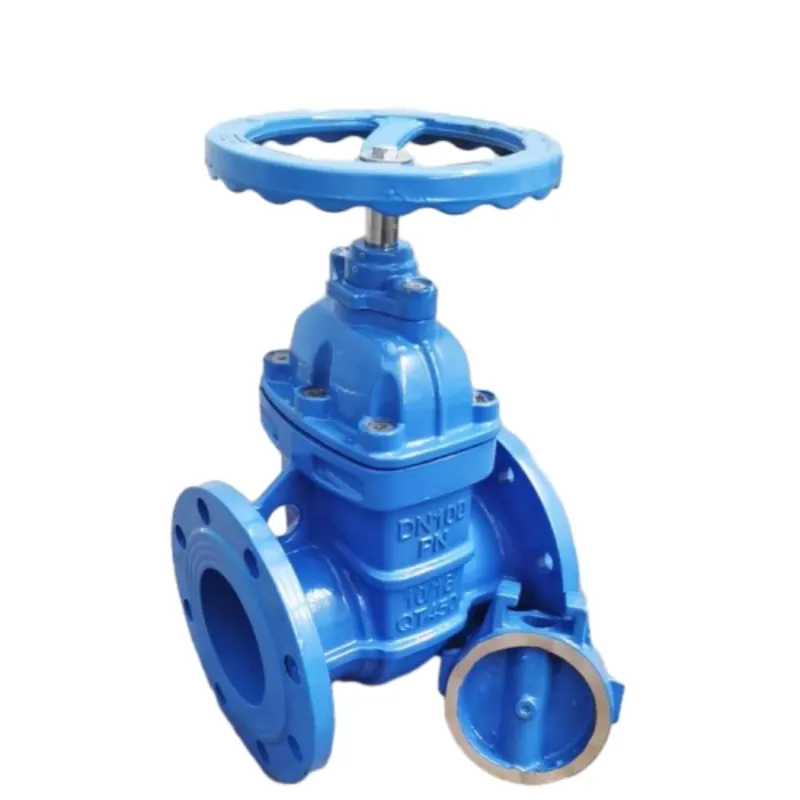
Varieties of Flow Control Valves and Their Applications in Fluid Management
Different Types of Flow Control Valves Flow control valves are essential components in various fluid
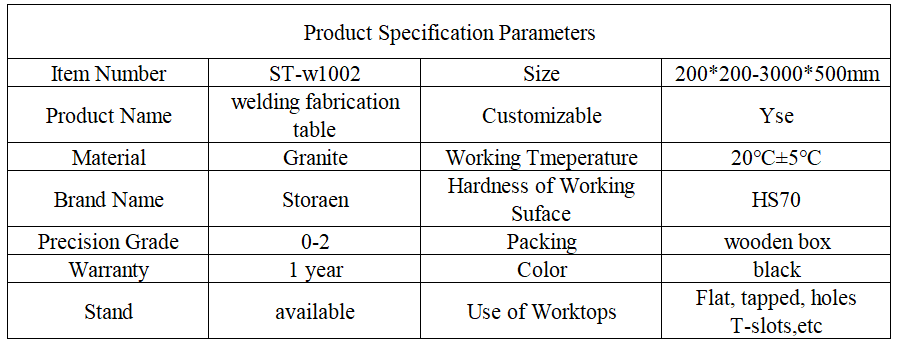
Welding Fabrication Techniques for Efficient Metalworking Projects
Understanding Welding Fabrication A Comprehensive Overview Welding fabrication is an essential part
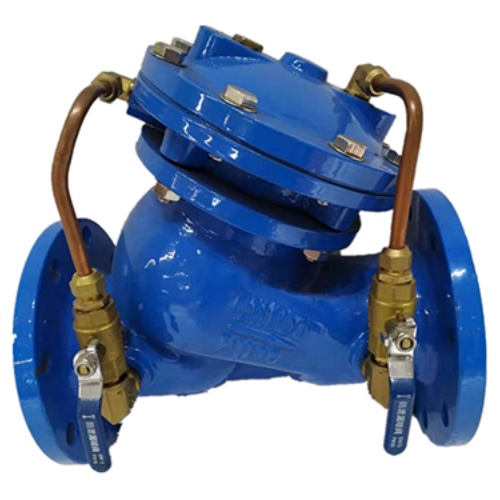
welding fabrication table
Welding and Fabrication An Essential Guide to Techniques and Applications Welding and fabrication ar
 English